Crotchless Plus Size Lingerie: UK Sizing and Fit Guide
You've found a piece that looks lovely online, picked the size that fits your bust, and now you're wondering whether the opening will sit where it should or shift as soon as you move. That's a sensible thing to check. With crotchless plus size lingerie, the label is only a starting point. The rise, opening placement and way the garment anchors to your body matter just as much.
Table of Contents
- Why Crotchless Plus Size Sizing Goes Wrong
- Measure Yourself and Match a UK Size Band
- Fit Across Different Body Shapes
- Supportive Styles That Keep Everything in Place
- Materials and Stretch Worth Checking
- Styling Ideas That Feel Easy, Not Costume-y
- Care, Washing and Returns Without the Guesswork
- Pick Your Size and Order With Confidence
Why Crotchless Plus Size Sizing Goes Wrong
A shopper can order the size that closes comfortably over her bust, then find the leg openings pulling too high and the crotchless opening gaping during wear. That doesn't automatically mean she measured badly. A size label such as XL or 2XL isn't a consistent pattern specification, and brands can cut the same nominal size quite differently.
Open-crotch construction adds another fit challenge. A conventional gusset helps stabilise the garment between the legs; without that fabric, the piece relies more heavily on its waistband, hips, thighs or straps to stay in position. If one of those anchor points is too loose, too tight or placed at the wrong height, the opening can migrate or gape when you sit and move.
The limited choice many shoppers face can make it harder to compare a piece in person before ordering. In a 2021 study of women in the UK, participants reported finding suitable clothing at between zero and 39 retailers, with an average of six; the study examined access to well-fitting clothes, not crotchless lingerie specifically (the UK fit-availability study). Clear product measurements and discreet, useful fit advice are especially helpful when local options are limited.
This guide gives you a practical UK measurement routine, a size-band reference, a fit-diagnosis table, style comparisons, fabric checks and care and returns advice. You'll be able to judge a piece by its rise, opening position, stretch and anchoring, rather than trusting a size label to tell the whole story.
Measure Yourself and Match a UK Size Band
Start with your body measurements, then compare them with the product's own chart. Use a soft tape measure, keep it snug without pulling it tight, and stand naturally. If you can, measure over thin underwear so the tape isn't caught on bulky clothing.
Take your measurements in this order:
- Bust: Around the fullest part of your bust, with the tape level across your back.
- Underbust: Directly beneath your bust, keeping the tape comfortably snug.
- Natural waist: Around the narrowest part of your torso, or where your body creases when you bend sideways.
- Fullest hip: Around the fullest part of your hips and bottom, with the tape level.
- Upper thigh: Around the part of your thigh where the garment's leg opening is designed to sit.
The chart below is a general high-street reference, not a substitute for a particular brand's size guide. The waist bands are typical reference ranges; bust and hip measurements can differ between retailers, so use the manufacturer's chart for those dimensions rather than assuming the same figures fit every label.
| UK size | Typical waist range |
|---|---|
| 16 | 28–30 in |
| 18 | 30–32 in |
| 20 | 32–34 in |
| 22 | Check the brand's chart |
| 24 | Check the brand's chart |
| 26 | Check the brand's chart |
| 28 | Check the brand's chart |
Why be cautious about treating a chart as universal? The SizeUK survey scanned more than 11,000 people across Britain and recorded around 130 body measurements per participant. Comparing its findings with national sizing information from 1951, the average British woman was about 1.5 inches taller, with bust and hip measurements also up by roughly 1.5 inches, while average waist measurement had increased by about 6.5 inches (BBC coverage of the SizeUK survey). Those uneven changes help explain why merely enlarging a smaller pattern can leave the waist, torso or rise sitting badly.
Practical rule: If your measurements fall across different size bands, start with the band that fits your fullest hip and upper thigh. Those areas help anchor the lower half; adjustable straps can usually accommodate a different bust fit more easily than a too-tight hip can be fixed.
Before ordering, compare the brand's finished garment measurements with your body measurements, especially the rise and leg-opening dimensions. The brand's product-specific chart takes priority over any general reference.
Fit Across Different Body Shapes
Two pieces carrying the same size label can place the opening centimetres apart on the body. Judge a crotchless garment by where the opening sits relative to your centreline: too low and it drifts onto the thighs, too high and it gaps the moment you sit down. Check the product description for the opening's dimensions or placement, and compare them with how the garment is meant to sit. If the page only gives a broad size label and no construction details, you're being asked to guess.
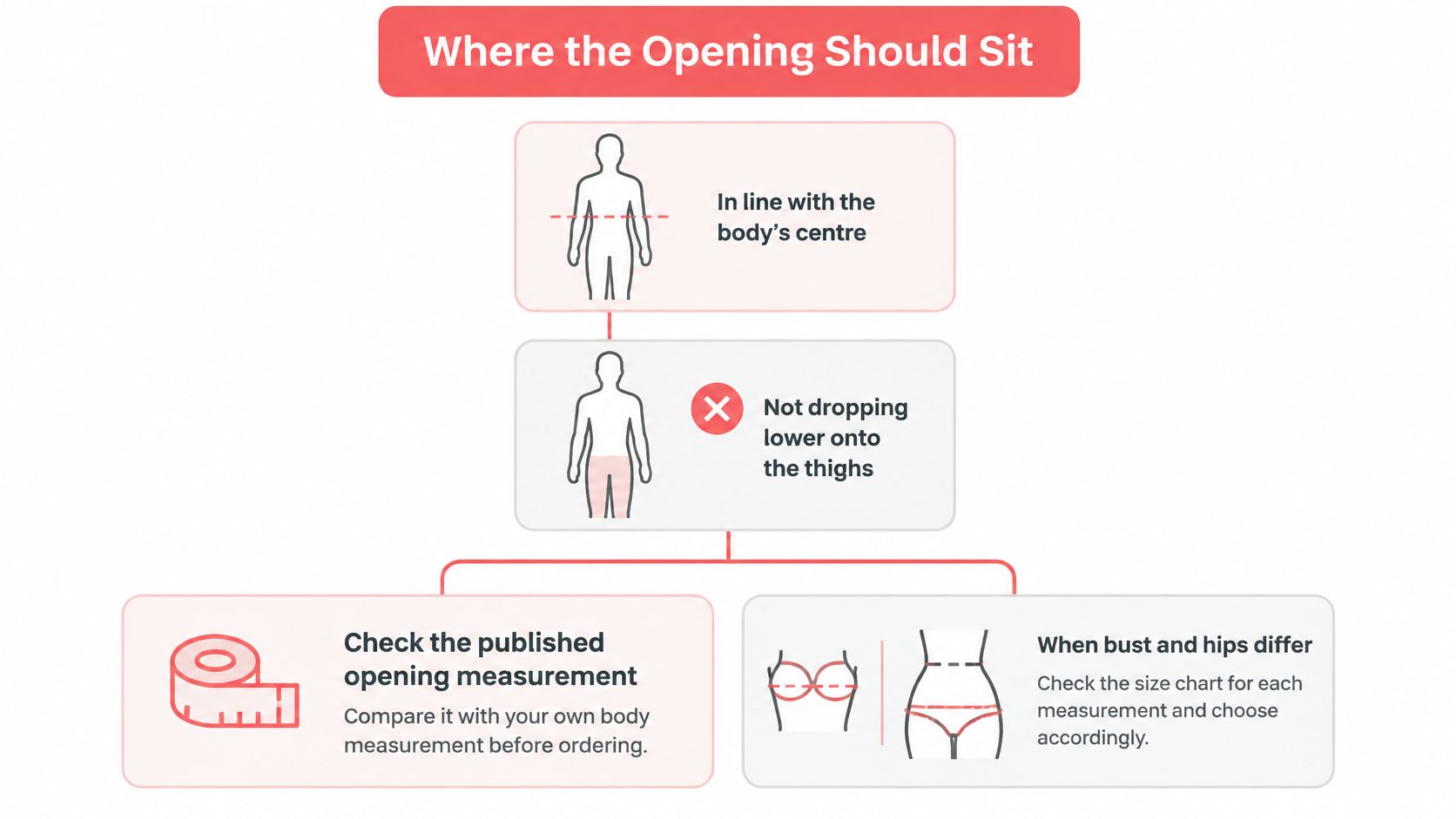
Body shape changes which construction detail deserves the closest look. A fuller lower abdomen or apron belly usually sits more comfortably under a wider waistband and a higher-rise panel that extends past the fullest point of the tummy. If you want that coverage, read the rise measurement in centimetres rather than trusting a label that says "high waist". A short rise on a longer torso pulls the whole garment upward and shifts the opening out of position, so torso length matters here as much as hip width.
For chafing-sensitive thighs, focus on a smooth, wider leg edge that stretches without pinching. A lace trim may look delicate but still rub if its edge is narrow, firm or poorly finished. Check how the opening and leg edges sit while standing and seated, not just in a front-facing product photo.
A fuller bust brings its own check. Cup shape, fastening options and strap adjustment all change how the upper edge sits, so look for styles where the top half can be adjusted independently of the waistband.
The cost of guessing shows up in return rates. Reporting on UK online fashion found that around 30% of fashion purchases are returned, with poor fit the leading reason, and that 45% of shoppers said more accurate sizing guides would reduce returns (UK online-fashion returns reporting). For crotchless styles, the useful details go beyond bust, waist and hip: rise, leg-opening circumference, opening width, stretch and clear photographs showing placement.
| Symptom | Likely cause | What to try |
|---|---|---|
| Opening gapes or sits too high | Leg openings too large or rise too short | Check the rise length in centimetres and adjust side ties if available |
| Waistband rolls or digs in | Band too narrow for the abdomen | Try a wider waistband with a higher rise panel |
| Garment rides up during wear | Hips don't anchor the cut securely | Try a better hip fit or a style with suspender straps |
| Leg edge digs into thighs | Elastic too narrow or too tight | Choose a wider, smooth-finished edge and check it while seated |
| Bust gapes at the top | Cup shape doesn't match the bust | Check the cup fit and use the strap adjustment |
The same construction-first thinking applies across categories; see this guide to plus-size strap-on fit and selection for another example.
Fix the cause by changing the band or the construction. Pulling the fabric harder only makes the edges bite.
Supportive Styles That Keep Everything in Place
For leg-opening stability, start with a suspender set with garter straps. Its straps can add anchor points at the thighs, which may help the opening stay aligned during movement. The trade-off is extra hardware to adjust, and the look may feel fussier than a simple one-piece.
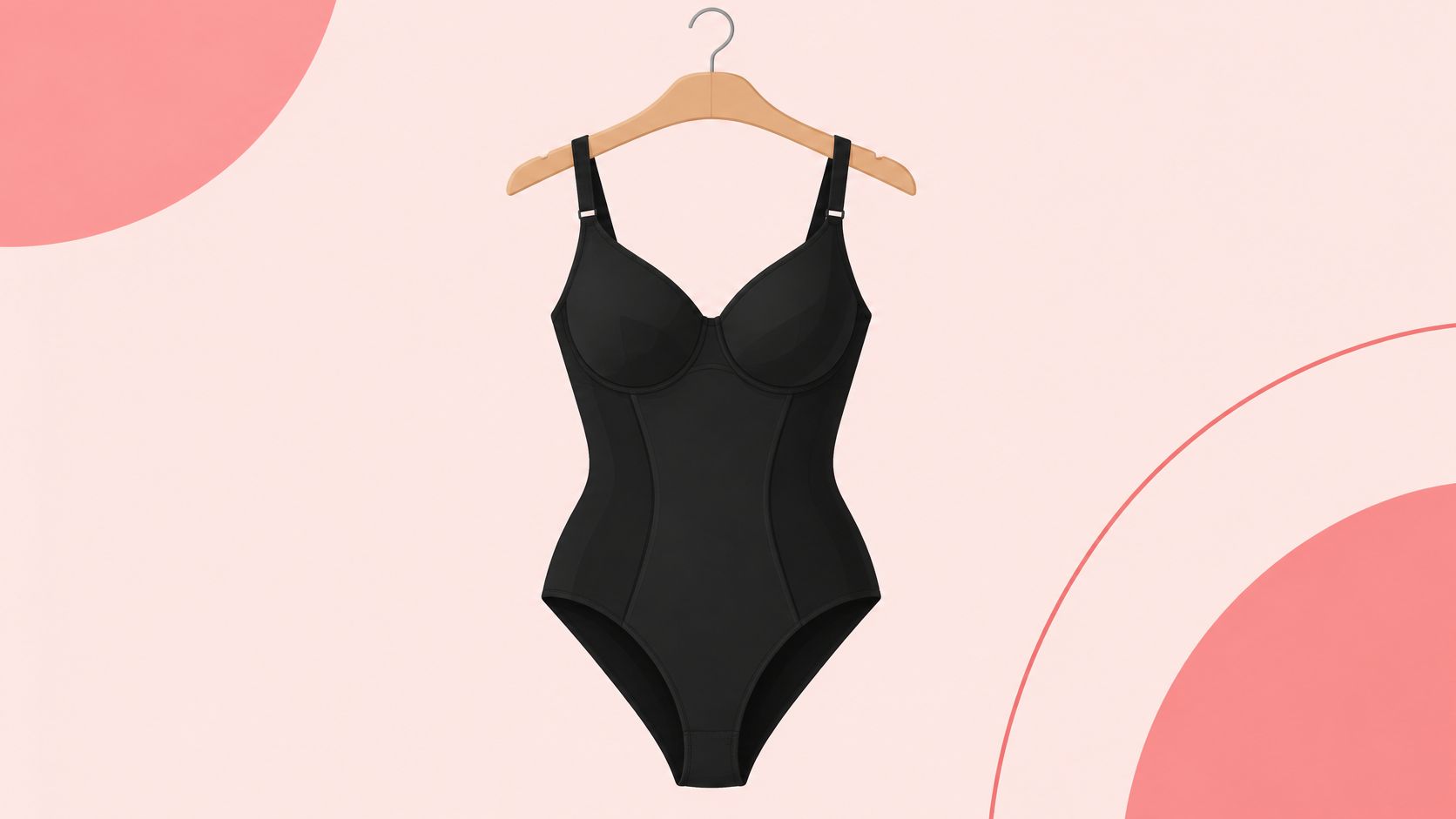
Other styles solve different fit problems, so choose according to what needs support:
- Crotchless bodysuit with thin straps: A moulded or underwired bust and shaped waist panel can support the top half and create a smoother line under a dress. Check the torso length and the strap adjustment; too-short body panels can pull upward, while thin straps alone won't provide strong bust support.
- Open-gusset teddy with structured cups: Structured cups can provide the most bust lift of these options. The cups do much of the work, so get the cup fit right first; that structure can also add bulk, and well-fitted cups may cost more than a simple stretch style.
- Crotchless high-waist brief or panel: A power-mesh waistband can offer a higher rise and more control across the lower abdomen. It suits someone who wants more tummy coverage, but a firm panel can feel restrictive if it's too small or too short.
- Suspender set with garter straps: The straps add anchoring around the legs and can help reduce migration. The trade-off is more pieces to fit and possible slippage if the garters aren't adjusted properly.
A structured bodysuit often gives the most continuous hold through the torso, while suspenders target anchoring and a high-waist panel prioritises lower-abdomen coverage. None is automatically the best choice for every body. If your main concern is bust support, prioritise cup construction and band fit; for belly control, look for a broad, well-positioned panel; for opening stability, check the leg and thigh anchoring.
Materials and Stretch Worth Checking
Start with the product's stretch and finished measurements. Look for fibre composition, elastane content and, ideally, relaxed and extended measurements for the leg opening. A nominal size doesn't tell you how far the fabric moves or whether the opening will stay aligned. UK plus-size anthropometry literature treats abdominal circumference, hip breadth, thigh thickness, seated dimensions and abdominal depth as distinct measurements, so a single waist or hip figure can't describe every fit need (UK plus-size anthropometry paper).
Next, check mesh and edge construction. Power mesh is intended to provide more hold; decorative mesh is mainly a visual panel, not a substitute for supportive construction. Wider, smooth-finished waist and leg edges spread pressure more comfortably than narrow elastic or scratchy lace. Look for enclosed seams or a smooth finish where fabric touches the inner thighs.
Finally, think about breathability and skin contact. If a panel will sit against your skin for a prolonged period, check whether it has a cotton or otherwise breathable lining. Product pages should say whether the piece is intended to be worn over underwear or with a pad or liner; don't assume every open-gusset design suits those options.
A quick hand check can help once the garment arrives: gently stretch the leg edge and see whether it returns to shape without bagging. Then check how the opening and edges behave while seated, because hip flexion changes tension and alignment. Gusset-free construction removes a stabilising panel, so the waist, hips, thighs or straps need to provide a clear anchor. If the listing doesn't explain how the piece stays in place, treat that missing detail as a reason to look more closely.
Styling Ideas That Feel Easy, Not Costume-y
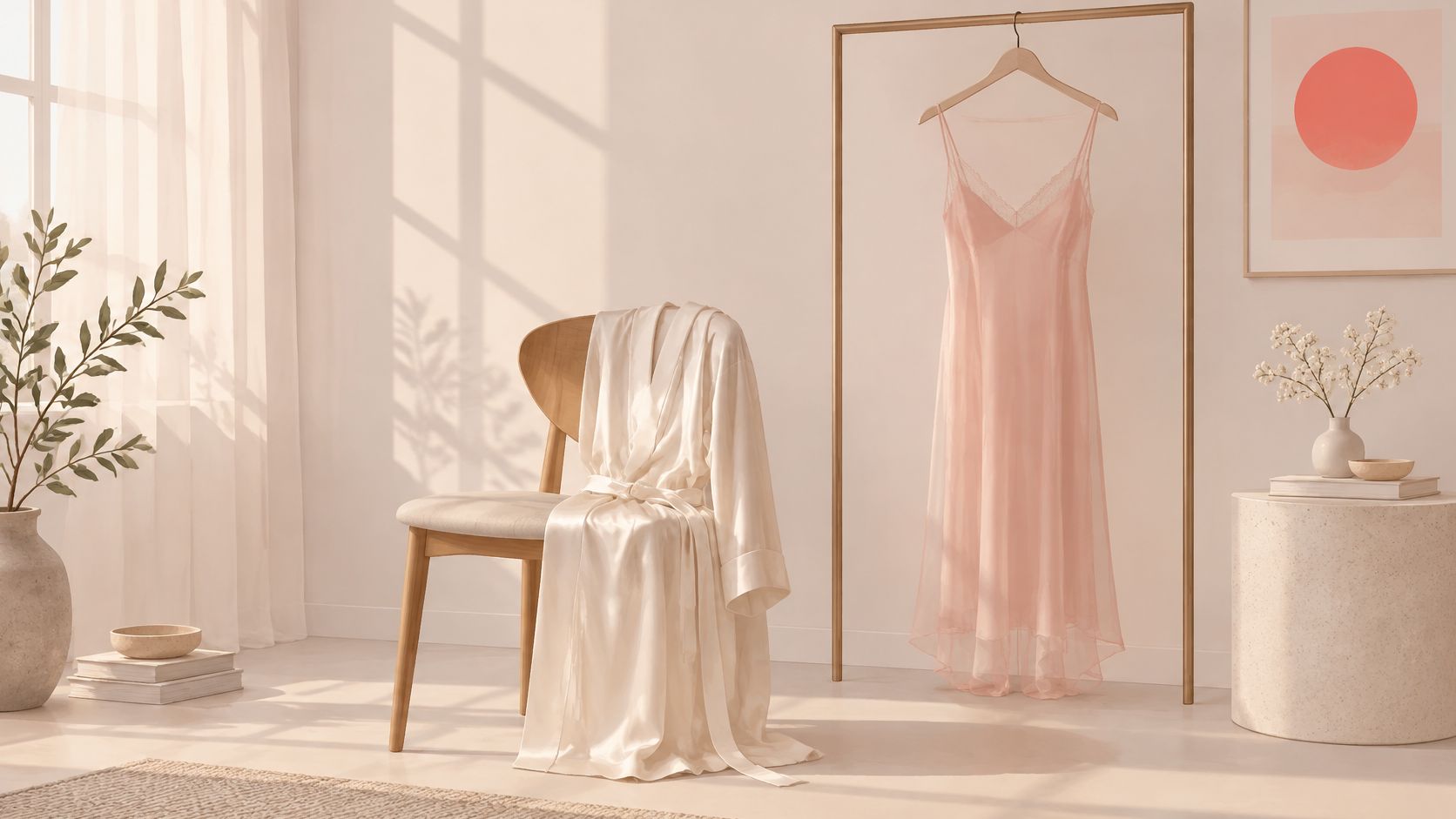
A long satin robe makes an open-gusset teddy feel relaxed rather than staged. Choose black, ivory or a deep jewel tone in satin or lace, and keep the robe smooth if you plan to wear it over the lingerie. Heavy seams can show through a sheer layer.
For a classic look, pair a suspender set with hold-up stockings. The stockings add a visual finish and the garter straps give you another fit point to adjust. If the stockings pull at the thigh, loosen or reposition the suspender straps rather than tugging on the lingerie itself.
Under a fitted knit dress, a bodysuit can create a smoother outline than a set with separate edges and fastenings. Choose a fabric that lies flat, and check the seams beneath the dress before heading out or settling in for the evening. A structured robe over a high-waist brief is another easy option when you want coverage and a softer reveal.
For more ideas on mixing textures and layers, browse this guide to bondage-inspired sexy lingerie styling. Above all, choose the piece you feel best in, not necessarily the most daring one. Wear it at home first, sit, walk and move in it, and adjust the straps before a special occasion rather than discovering a fit problem at the last minute.
Care, Washing and Returns Without the Guesswork
| Part | Wash | Dry | Watch for |
|---|---|---|---|
| Power mesh and lace | Hand-wash or use a gentle 30°C cycle in a mesh bag | Lay flat to air-dry | Snags from rings, zips or nails |
| Elastic leg and waist edges | Wash inside a mesh bag without fabric softener | Lay flat, away from heat | Lost stretch or edges that no longer sit flat |
| Cotton or lined panels | Wash at 30°C | Line-dry | Shrinkage after hot tumble-drying |
| Hooks, clips and ties | Fasten before washing | Air-dry | Rust, bent hooks or frayed ties |
Wash the garment before its first wear, and fasten hooks and ties so they don't catch on lace or mesh. Use a mesh bag, avoid fabric softener, and follow the garment label if it gives more specific care instructions. Stop wearing the piece if rubbing or irritation starts, and check the seams and elastic before wearing it again.
Returns are worth checking before you pay, especially for intimate apparel. KPMG's 2025 survey of 3,000 UK consumers found that 41% had been stopped from buying online when free returns postage wasn't available, while 13% generally bought multiple clothing sizes to find the best fit (KPMG's 2025 UK consumer survey). But don't assume an opened intimate garment can be returned just because it didn't fit.
Faulty or misdescribed goods are different from a change-of-mind return. A retailer may have its own hygiene rules for opened intimate items, so check the policy before ordering and keep the tags and packaging while you decide. If discreet handling matters to you, check whether the parcel uses plain packaging and how opened-item returns are handled. Also confirm whether the garment is designed to be worn over underwear or with a pad or liner.
After washing, make three quick checks: inspect the elastic for lost recovery, the seams for rough spots or loose threads, and the opening for stretched edges or a changed shape. For help understanding retailer terms, see this guide to returns and refunds.
Pick Your Size and Order With Confidence
You have your measurements and you know what a well-placed opening looks like. The last step is judging whether a specific product page gives you enough information to order with confidence, because plenty of listings skip the details that matter.
Before you pay, run through these questions:
- Does the page give garment dimensions? A listing that states rise, opening width or leg-opening circumference lets you predict where the opening will sit on your body. A size letter on its own, or "one size fits most", tells you almost nothing.
- Do the photos show the opening's position? Look for a rear, side or flat-lay shot that shows where the opening starts and ends relative to the waistband. If every image is angled to hide it, ask the retailer before ordering.
- Is the stretch described in concrete terms? Fibre percentages and a note on two-way or four-way stretch tell you how the edges will sit on your thigh. "Stretchy" on its own is a marketing word.
- Can the retailer answer a fit question? Ask for a flat measurement of the waistband or the opening width in your size. A shop that knows its stock will reply with numbers.
When the parcel arrives, check where the opening sits against your hip and thigh before deciding to keep the piece. If it lands where you expected and feels secure without constant adjusting, you judged it well. If it sits too high, too low or pulls at the edges, note which measurement or construction detail was off so your next order is closer.
Immerse Creations is a UK-based online retailer offering adult toys and intimate accessories for adults aged 18 and over, with discreet shipping and clear product specifications. If you're comparing lingerie fit with other intimate products, visit Immerse Creations to browse the catalogue and its care and product guidance.